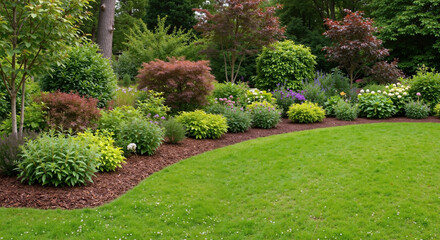
Landscape Designers Honolulu HI design elevates these rooms with lush gardens, dining areas, poolscapes, and pathways that connect and support daily life.
A successful garden is as functional as it is aesthetically pleasing. Skillful designers balance beauty and utility by integrating key design principles.
High-Value Landscape Design
High-end landscape design enhances outdoor living spaces and boosts property value. But the benefits go far beyond aesthetics.
Beautiful outdoor areas set a property apart in the real estate market, driving up offers and creating a ripple effect throughout neighborhoods. Eye-catching focal points like architectural lighting, manicured plants, and clean walkways elevate curb appeal. They also encourage neighbors to upgrade their own exteriors, improving the neighborhood’s overall appearance.
Well-designed landscaping increases a home’s square footage by blurring the lines between indoor and outdoor spaces. Flowing lawns, colorful planting beds, and thoughtful hardscape designs provide an inviting atmosphere for entertaining and relaxation. In addition, gardens that blend different textures, colors, and scents offer multi-sensory experiences that foster connection.
Luxury landscaping isn’t about following the latest trends – it’s about designing a cohesive, intentional, and beautiful outdoor space that complements your home’s architecture. A professional designer will carefully review your needs, your home’s unique features, and your personal style to create a custom landscape that will stand the test of time.
A well-maintained landscape enhances property value, adding up to a 109% return on average. Proper upkeep strategies like regular mowing, watering, and fertilization contribute to the health of your lawn and garden. In addition, seasonal maintenance activities protect trees from frost and ice in winter, manage pests, and prevent pool or spa leaks in summer.
When choosing a landscape design company, look for experience and a portfolio of previous projects. Choose a firm that has a proven track record of delivering exceptional results and a client-centered approach to landscape planning. A firm that specializes in high-end residential landscapes and luxury outdoor living spaces is best equipped to tackle the challenges of Capital Region properties.
Aesthetics
Whether creating a romantic garden in the English tradition or a modern beach retreat, landscape architects design beautiful outdoor spaces that feel like an extension of a home. Using cutting-edge techniques, they balance beauty and functionality seamlessly.
Aesthetics are not only about the visual, but also evoke emotion and create a sense of place. Landscape designers know how to balance the elements and use a variety of textures, colors, and lighting to create a stunning visual impact. They can also make an area feel inviting by arranging furniture and incorporating features like fire pits that enhance the mood and make for a cozy atmosphere.
By integrating high-end materials that complement a space’s architectural style, landscape professionals create an elevated, luxurious experience. For example, natural stones like marble and travertine provide a timeless, classic look, while metals such as copper or brass offer a more contemporary style. Landscape designers are also embracing the concept of edible landscaping, which incorporates aesthetically pleasing plants that are both edible and healthy. These additions bring color and texture, while helping to promote sustainability and self-sufficiency.
Increasingly, homeowners value the synergy between indoor and outdoor living. This trend toward blending the outdoors with the inside is reflected in popular renovations, such as decks and patios that expand how a home can be used. By coordinating with interior designers, landscape architects can ensure that outdoor spaces seamlessly integrate with the home and reflect the home’s aesthetic. This makes the outdoor space feel as if it was always there, extending its usability and adding value. This is especially important when designing a multifunctional patio or outdoor kitchen that can be used for entertaining and relaxation.
Comfort
Comfort is about more than just avoiding bugs and harsh sun. It’s about creating a relaxing retreat for entertaining, dining, and enjoying nature with friends and family. With thoughtful enhancements, you can turn your backyard into a comfortable oasis.
A few key ways to improve comfort include lighting, fire features, and shade structures. Outdoor lighting adds a warm and inviting vibe to your backyard at night, while fire pits create a focal point for socializing and gathering. Shade structures, like pergolas or awnings, block out the glaring sun during the hottest parts of the day.
Incorporating seating is another way to make your backyard more comfortable. Choose cozy lounge chairs, sofas, or dining sets that are designed for outdoor use. Weather-resistant fabrics resist fading and are easy to clean. Accent pillows, throws, and blankets can also enhance comfort and add a pop of color and personality. Consider adding a rug to define seating areas and add softness underfoot. It’s a great way to create a welcoming atmosphere and establish boundaries between activities.
Low-Maintenance Plants
Whether you’re looking for low-maintenance flowers or shrubs, perennials that regrow each year and require less frequent watering and fertilizer, or drought-tolerant species that have been adapted to arid climates, there are plenty of low-maintenance botanical options. These resilient plants provide long-lasting beauty and enhance the visual appeal of any yard.
For example, lush evergreen trees in a variety of shapes, colors, and textures can bring year-round interest to your landscape, with the added bonus of providing privacy and shade. And a well-planned irrigation system that delivers water directly to plant roots can reduce evaporation, runoff, and weeds.
Green elements like plants and flowers can make a significant impact on curb appeal—and, when it comes time to sell your home, buyers will appreciate that the landscape feels cared for. Adding these green elements to your property is an easy and affordable way to upgrade the exterior of your home, without adding too much work.
Incorporate low-maintenance plants and a well-planned irrigation system to reduce the amount of time and money you spend on your garden. And if you’re considering a new planting project, try loosening the soil before planting to aerate it and encourage root growth. And don’t forget to add mulch, which will also bind the soil together and reduce weed growth.
From the gardens of a traditional estate to a Manhattan rooftop terrace, a well-designed outdoor living space offers major curb appeal and enduring value. With the help of an AD-approved landscape designer, you can create a garden that complements your home’s architecture while elevating your outdoor experience. To find a local designer, visit the AD PRO Directory. And when you’re ready to discuss your dream landscape, contact one of the professionals featured here to request a design consultation.
Safety
Whether it’s a cozy patio with fire bowls or a shady pergola, an outdoor living space is most enjoyable when people can connect and spend time together. Simple choices, like arranging seating in small groups and using weatherproof art installations as way-finding signs, transform these spaces into valuable gathering areas where everyone feels welcome.
Adaptability is key for long-term enjoyment, whether it’s a seasonal color change or a retractable awning that provides much-needed shade during blazing summer days. Choosing durable plants that thrive in your climate and materials that hold up to weather changes also means you can keep the space looking fresh with less effort.
Ongoing maintenance, such as clearing away debris and cleaning surfaces to prevent mold and mildew, reduces slip hazards and helps ensure that the area always looks inviting. Keeping up with routine chores like checking grills and ensuring that fire extinguishers are nearby, as well as regularly inspecting lighting fixtures, helps make sure that the space is safe for everyone. Educating children and guests on safety zones and emergency plans keeps the space fun and secure, even when you’re not there.